
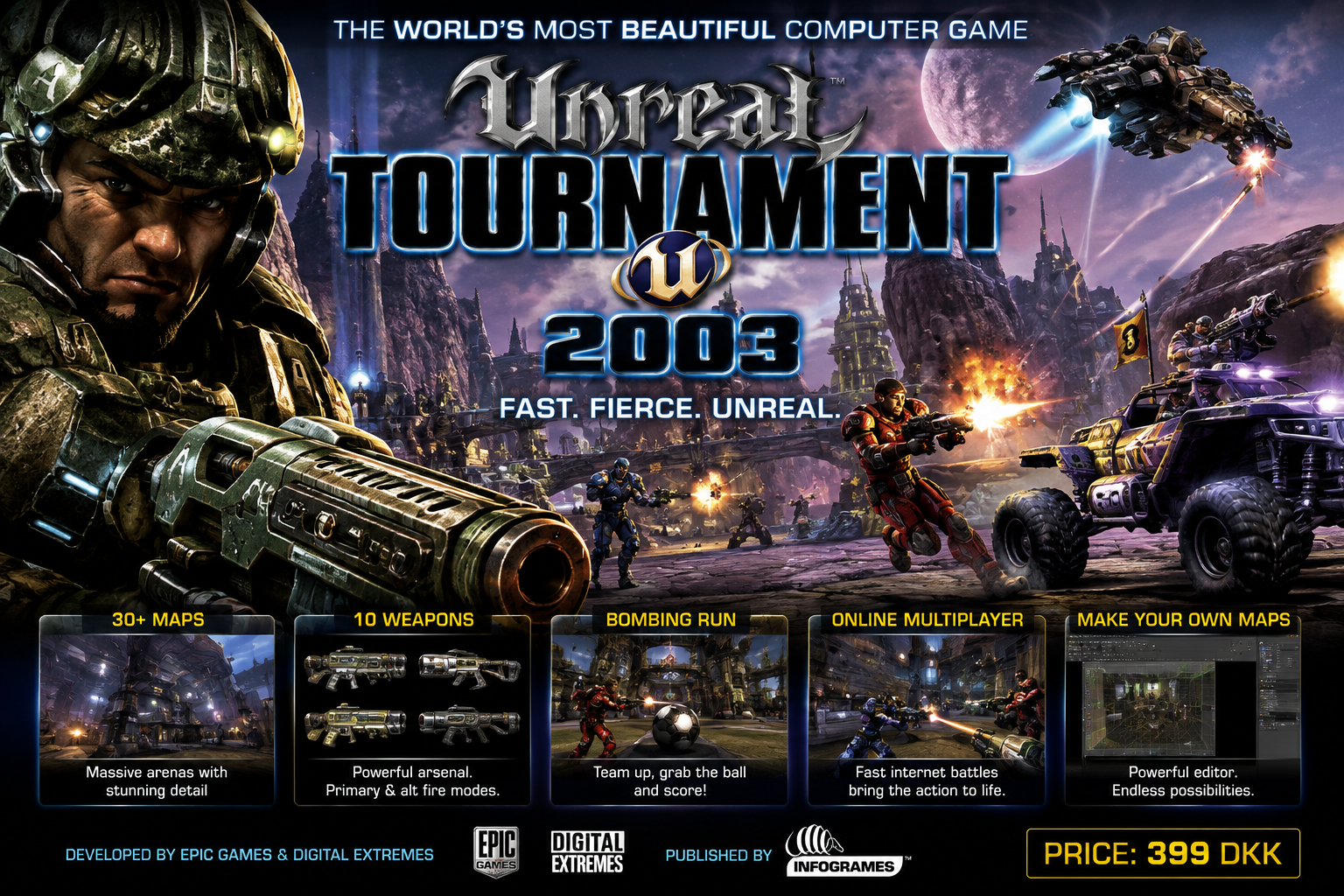
In 2002, Computer for Alle presented Unreal Tournament 2003 as one of the most beautiful PC games in the world. Looking at the screenshots, I understand the excitement. Looking at the game as a sequel, I have more questions.
I have been gaming since the late 80s and early 90s. I remember the period when a new graphics card could make the games released a few years earlier look ancient. Unreal Tournament 2003 belongs to that period. The jump in detail was obvious, and the old Danish review makes a point of it. The price was 399 DKK, which also puts that excitement back into the real world. This was a full-price PC release competing for somebody’s money.
That is why I want to go further than saying it looked amazing. An arena shooter has to hold up after the first tour of the maps. The weapons need to feel good, the movement needs to make sense, and the modes need enough variety to keep those arenas interesting. UT2003 gets plenty right. It also makes decisions that leave me wondering why a sequel would give up parts of the original’s appeal.
A big visual jump in a very short period
Epic Games and Digital Extremes developed UT2003, with Infogrames publishing it. Despite the number in the title, it arrived in 2002; Epic’s own series history lists 30 September 2002. The new Unreal Engine 2 presentation brought much more detailed environments and characters than the 1999 game.
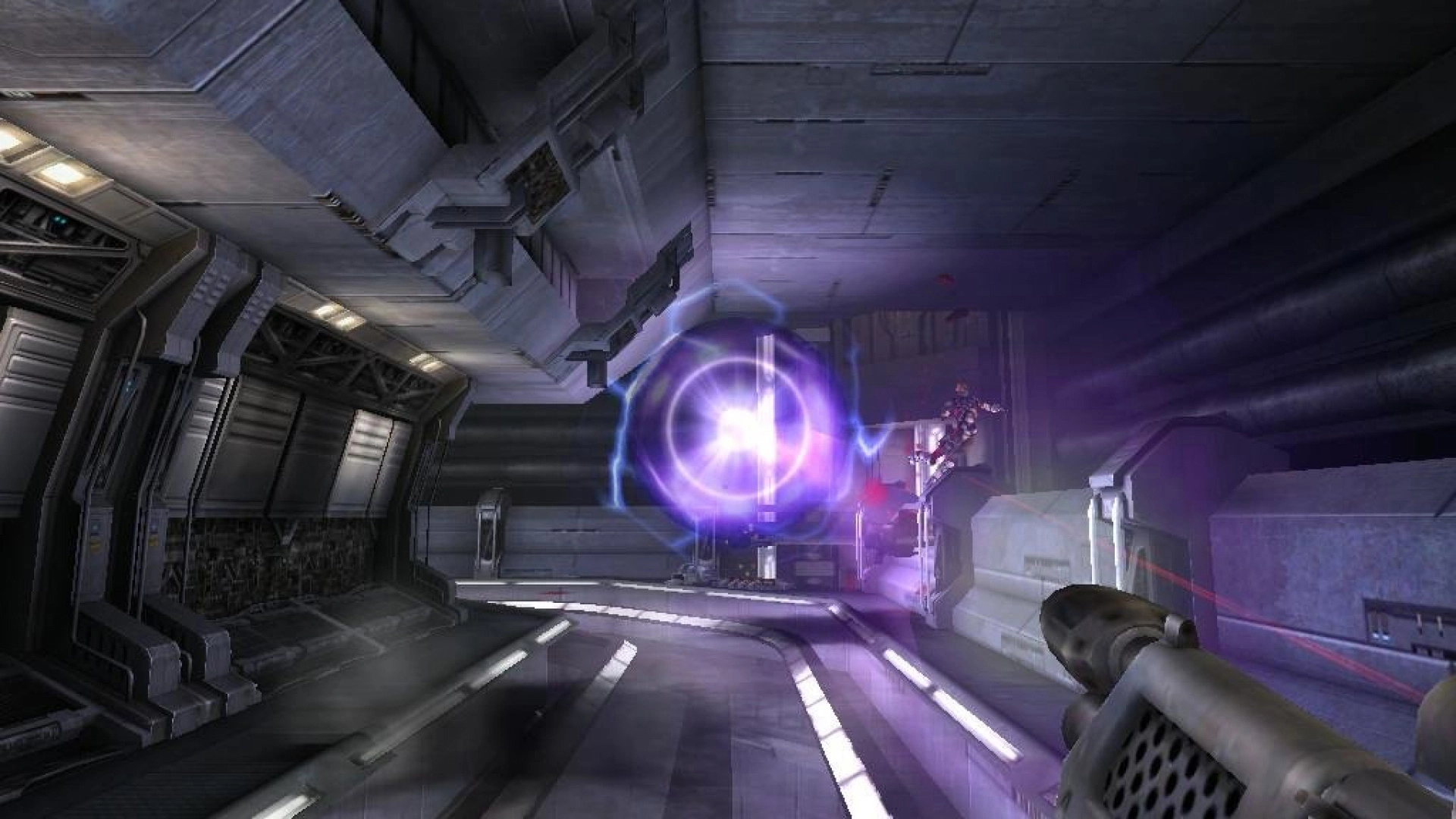
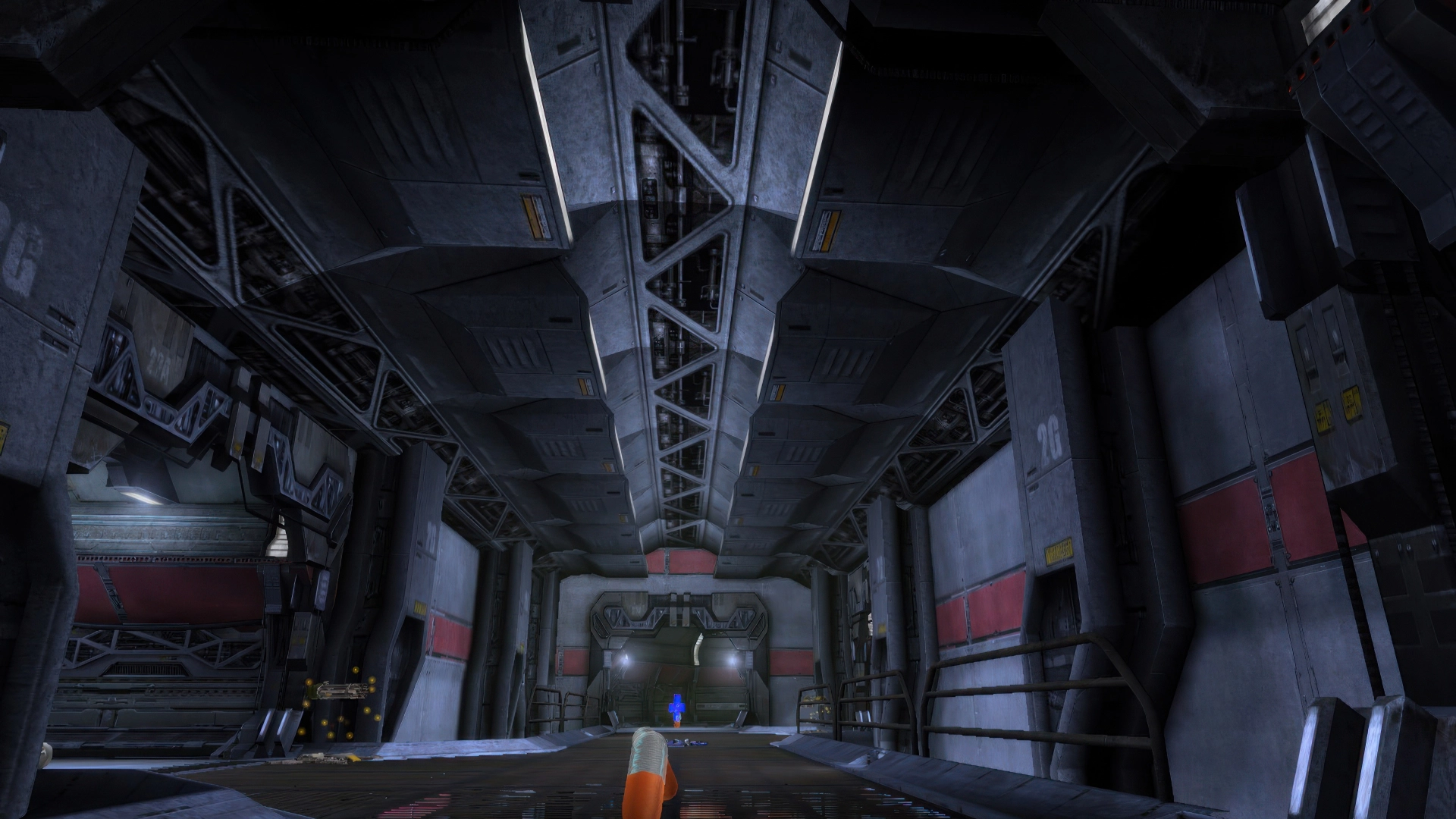
The screenshots show why the graphics sold the game so easily. Metal walkways have depth. Rooms have complicated structures overhead. Towers stand above enormous drops. Colour, architecture and lighting do a lot of the work that a modern game might hand over to sheer texture resolution. There is still something appealing about a world made to look like this.
I like that the arenas are allowed to be ridiculous. A combat sport in a science-fiction universe can put a fight on rooftops or inside a strange temple without spending twenty minutes explaining the logistics. There is a place for believable military environments, but I do not want every shooter to look as though it was built from the same warehouse and concrete wall.
A complicated room can look fantastic in a screenshot and become a bloody nuisance when I need to find a route, follow an opponent or work out where a shot came from. The art has to help me read the match. Once decoration starts fighting for the same attention as the targets, the graphics are getting in the way. More detail is no achievement if it makes the fight harder to follow.
The original Danish review warned that the game needed a good graphics card. That matters when judging the reaction in 2002. The impressive screenshot was only part of the purchase; getting that scene to move smoothly was the other part. A fast shooter has very little patience for a computer that can make a beautiful frame but cannot keep up with the next fight.
The shooting deserves more thought than the old sales pitch gives it
Computer for Alle’s description puts the emphasis on shooting everything rather than thinking too much. I get the joke, but it sells the design short. Anyone who thinks an arena shooter requires no thought is going to become a very useful target. The objective can be simple while the fight demands a lot from the player.
There are weapons, ammunition, health and useful positions to fight over. The question is how to get what I need while staying alive. A route that looks safe might leave me badly equipped. A valuable pickup might be sitting somewhere an opponent can watch. Charging straight at every moving target is an easy way to spend the match being somebody else’s score.
That is the sort of simplicity I respect. I can understand the basic job immediately and still have room to get better. The depth comes from making decisions during the fight, rather than from being forced to read a pile of menus before the fight starts.
UT2003’s problem is how much variety it builds around that good foundation. Deathmatch, team deathmatch and Capture the Flag are familiar territory. Double Domination changes the control-point game. Bombing Run gives the ball carrier a different job. Those additions have value, but the disappearance of Assault from the original game leaves an obvious hole.
Losing Assault was a bad trade
Assault gave the original Unreal Tournament teams a sequence of objectives to attack and defend. Epic still lists it among the original game’s defining modes. Taking that kind of match out of the sequel reduces the range of things the game can ask me to do.
I care about that more than a bigger pile of polygons. A new room does not necessarily change the fight. A different objective can. Defending a position, breaking through a defence and moving on to the next task give a match a shape that a repeated kill count cannot provide on its own.
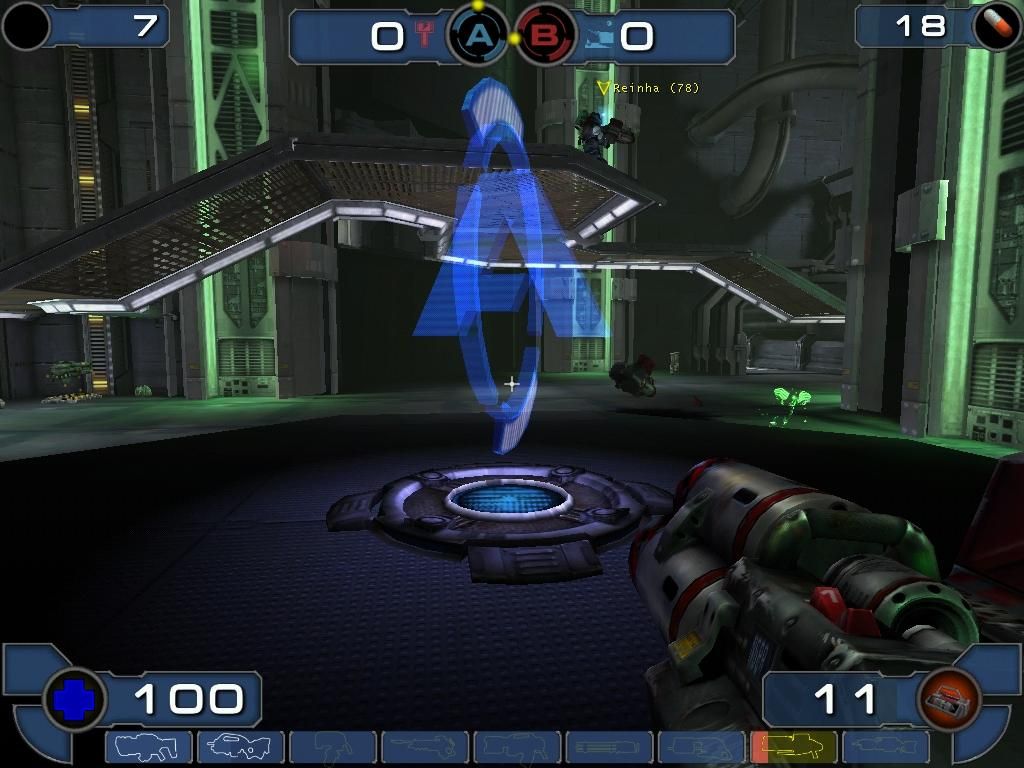
Double Domination has a useful idea: both control points have to be held together for ten seconds to score. It creates pressure to split the team and protect two places at once. It also creates the familiar frustration of having one side under control while the other keeps slipping away. Winning the fight in front of me is not enough if the other point is lost.
That tension gives Double Domination a purpose. Losing Assault still makes UT2003 a narrower sequel. Bombing Run and Double Domination should have expanded the game. Taking an established mode out at the same time feels like paying for the additions by cutting something that already worked.
The weapons have to earn their place
The old magazine highlighted ten weapons. A weapon count tells me very little until I know what each one contributes. The attraction of Unreal’s arsenal is the mix of direct shots, projectiles, explosions and alternate fire. It gives the player more to consider than which gun has the next slightly better damage number.
There is room for the Shock Rifle, Flak Cannon, Rocket Launcher, Lightning Gun and Redeemer because they serve different situations. I want to feel that difference immediately. Picking up another weapon should change what I can attempt, how close I want to get and how exposed I can afford to be.
That is also where the sequel becomes contentious. Scott Osborne’s 2002 GameSpot review criticised the returning weapons. The old Rocket Launcher could unleash six rockets; UT2003’s alternate fire tops out at three. The review also criticised the reduced impact of the Flak Cannon. Those are changes to the character of the fight, not just numbers in the weapon list.
A gun’s sound, kick and result are part of the enjoyment. I understand why a designer would want less blind firing into corridors, but there is a cost when the arsenal loses its violence. Unreal’s ridiculous weapons were part of its appeal. A beautifully modelled gun that sounds weak and takes longer to finish the job is not automatically an improvement because somebody can defend its balance.
The Lightning Gun is a more interesting example of a change with a clear cost attached. Its visible shot exposes the shooter’s position. That gives the player on the receiving end something to react to. I like a powerful weapon having a readable weakness. That is a more convincing design decision than simply making several weapons feel less violent.
For me, the question is whether the arsenal still has enough personality to make another match worthwhile. I want weapons I look forward to finding. Unreal has always had the sort of exaggerated machinery that can make a fight enjoyable before the score even enters into it. Smoothing too much of that away risks making a more carefully adjusted game that gives me less reason to care.
Movement gives the arenas another layer
Dodging, double jumps and wall jumps make UT2003’s movement more involved than simply running across a room. Vertical space becomes useful. A ledge or gap can change the route through a fight, and an opponent who knows the movement has options that a new player may not even recognise.
That is good when the map supports it. I like a game giving the player room to learn something with their hands. There is satisfaction in getting a movement right because I have understood the timing, rather than because an experience bar finally gave me permission to do it.
It also increases the distance between a beginner and somebody who already knows the arenas. A newcomer is trying to understand the weapons and stay alive while a more experienced player is using the room in a completely different way. That can become a steep introduction very quickly.
The movement belongs in the game. The game also has to teach what the player can do. If an important move stays hidden until another player makes somebody look stupid with it, the introduction has failed. Getting beaten because I mistimed something gives me a reason to practise. Getting beaten because I did not even know the move existed gives me a reason to look for the manual.

Adrenaline adds power and another thing to remember
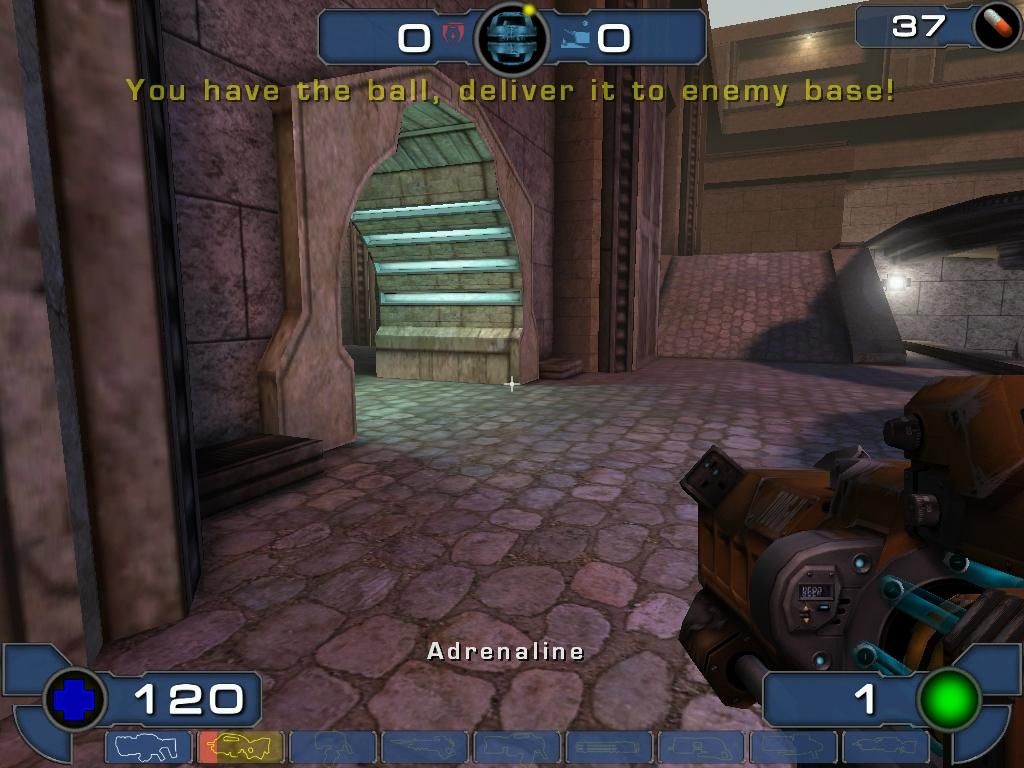
UT2003 also adds adrenaline. Collect enough of it and movement-key combinations activate temporary powers. GameSpot’s August 2002 demonstration with Epic’s Mark Rein showed the meter reaching 100 and described the key sequences. The finished game includes speed, regeneration, invisibility and berserk effects.
There is a reasonable idea here. A temporary advantage can change a difficult moment without turning it into a permanent upgrade attached to an account. The player still has to obtain it and choose when to use it.
The part I find less convincing is the extra layer of memorisation. There is already plenty happening in an arena match. Movement, aiming, ammunition and the objective all need attention. Another meter and a set of input combinations have to justify the attention they take.
I like combat systems that become more interesting as I learn them. I am less impressed when a new feature mainly makes the controls busier. Adrenaline can add timing decisions, but I would put readable weapons, useful maps and a broader selection of modes ahead of it when deciding what a sequel needed most.
The bots are a proper way to play
I have never been a multiplayer gamer. I hate the competitive grind, and most of my gaming is single-player. That makes the offline tournament important to me, even in a series famous for fighting other people online.
UT2003 lets the player qualify, assemble a team and progress through tournament matches against computer-controlled opponents. It gives those matches some structure. Picking a team is a better way of connecting the rounds than leaving every fight as an isolated scoreboard.
Bots let me choose the difficulty and play when I want. I do not need a populated server, another person’s schedule or somebody else deciding that my preferred mode is dead this week. Calling the tournament a warm-up for multiplayer misses why I would bother with it in the first place. The offline matches are the part I care about.
The limit is that tournament progression still repeats arena matches. There is no journey through a world in the way a story-driven shooter provides one. If the match itself stops being interesting, another rung on the tournament ladder will not solve that. The offline side depends heavily on the same variety that the missing Assault mode reduces.
There is a useful contemporary perspective here. Tory Favro’s October 2002 Impulse Gamer review praised the bots and specifically valued the single-player experience while using dial-up. That is a better reminder of the period than assuming every PC player already had ideal broadband and wanted to spend the evening online.
Bombing Run is more interesting than its name suggests
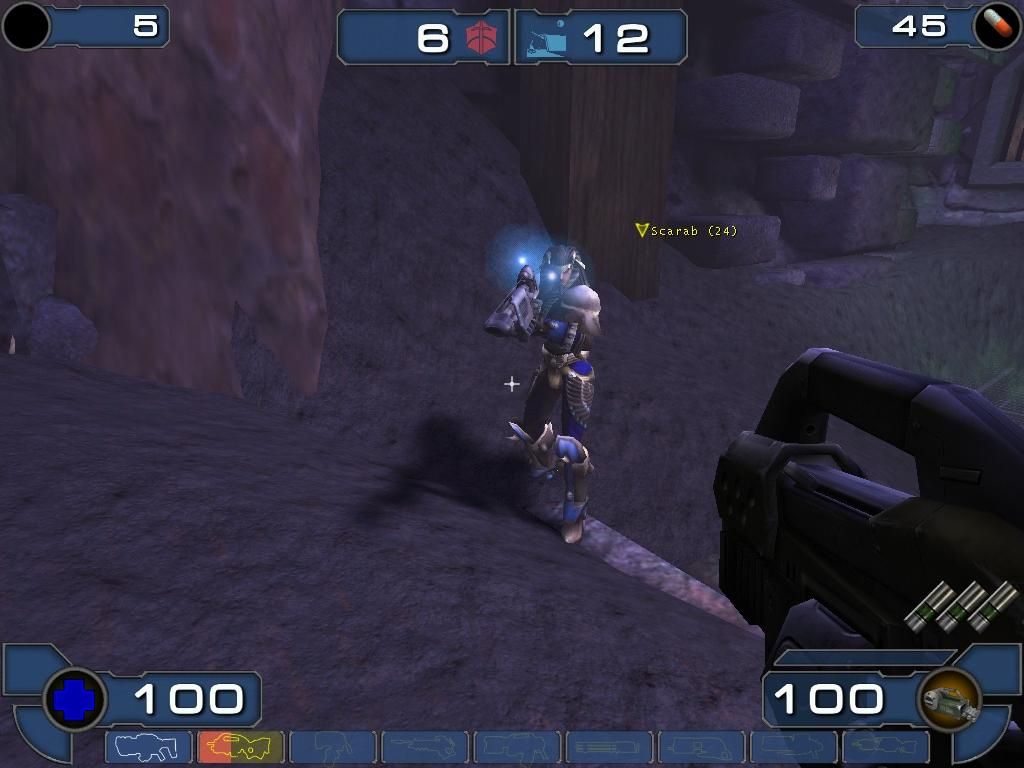
Bombing Run puts a ball between two armed teams. The carrier cannot fire ordinary weapons while holding it, but can pass it. Throwing it through the opposing goal earns three points; carrying it through earns seven. The scoring difference gives the player a reason to take the greater risk.
I like that it gives a powerful player a different problem. Getting hold of the objective removes the ability to solve every encounter by shooting. The carrier needs a route, protection or a useful pass. The rest of the team has a reason to pay attention to something beyond its own kill count.
There is also a nasty little joke built into the rules. Epic demonstrated passing the ball to an approaching enemy, leaving that player holding the objective and unable to shoot. Hand somebody the ball and suddenly their gun is gone from the argument. It is a stupid, mean little trick, and I like it. The humour comes from the rules doing something ridiculous, rather than stopping the game to tell me a joke.
My reservation is how dependent the mode is on the team doing its job. Protecting the carrier and creating a useful route matter. If everybody treats it as deathmatch with an inconvenient ball, the mode loses much of what makes it different.
It deserves its place in the game. I still want more variety around it. One interesting new mode has a lot of work to do when the sequel has also removed an old one.
The taunts are stupid, and the announcer can wear me out
The voices fit a game built around oversized fighters showing off. “Try turning the safety off!” is the sort of insult a fighter throws at somebody who cannot hit them. “My house!” turns the arena into an argument over who owns the room. It is childish boasting, which suits a ridiculous televised blood sport. Nobody needs these idiots to sound like officers giving a serious briefing.
I can enjoy a short, stupid insult in that setting. The problem comes when the game keeps repeating itself. A line can have personality the first few times and become irritating after the same voice has delivered it throughout a long session.
The sportscaster-style announcer pushes harder. Calls such as “Blue team dominating!” and “Red team on offense!” add to the stadium presentation. They also compete with the sounds I need to follow the match. An announcer who insists on making every event sound enormous can become tiring.
GameSpot noted those lines and the option to turn the voice samples off. I appreciate having that choice. I want the match to have character, but I also want to hear the useful parts of it. The joke does not get funnier merely because the game repeats it louder.
Thirty-odd maps still need thirty-odd reasons to exist
The number of arenas was another selling point in the Danish review. I understand why. More maps meant more places to explore and more combinations of routes, weapons and positions to learn.
But a large selection needs consistency. A map that looks different while producing the same fight is less valuable than one that changes the decisions. A difficult route to a useful position, an exposed crossing or an awkward approach to an objective can give a map an identity I remember.
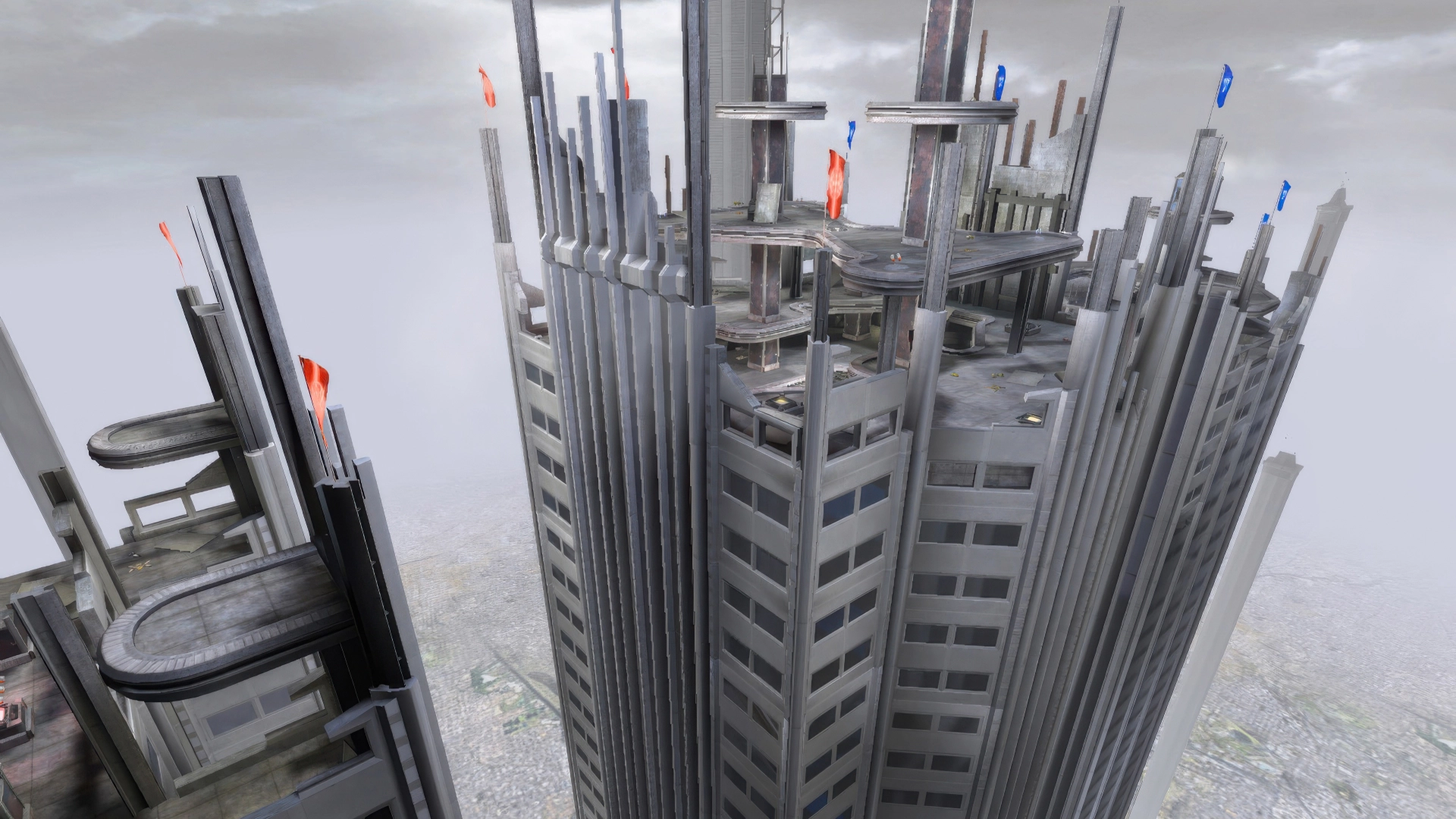
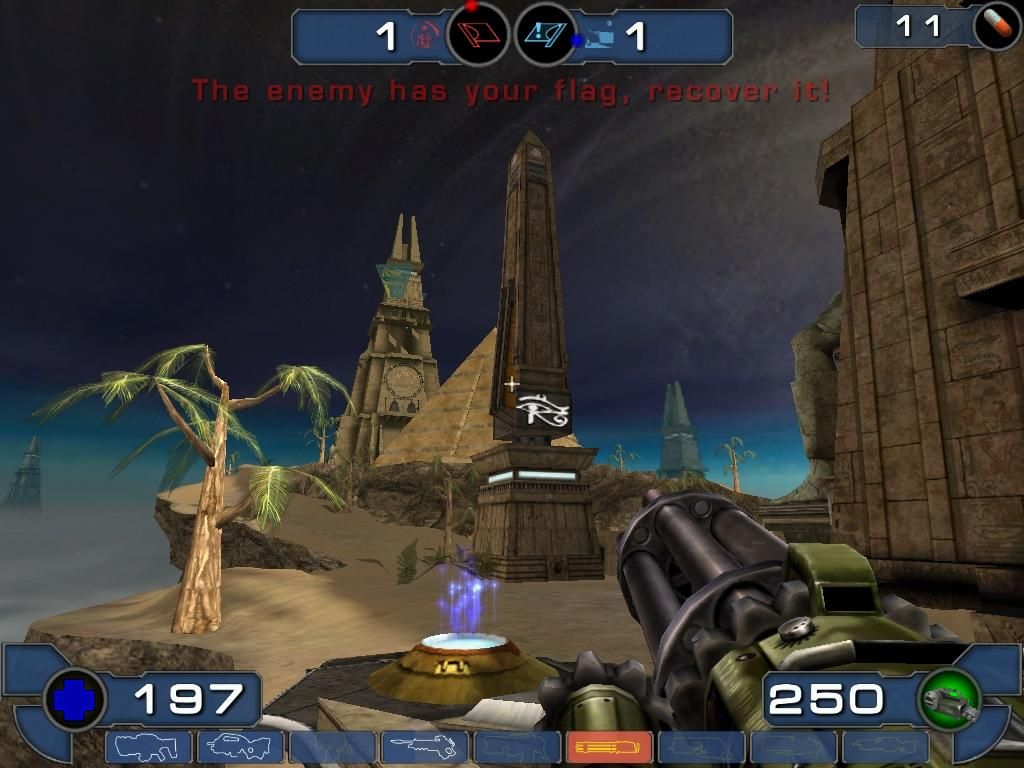
Facing Worlds 3 shows how the game could return to an established idea with a very different visual presentation. The Egyptian styling is obvious in the screenshot. I like a remake having its own appearance, but I still judge it by how the space works. A familiar name and some larger structures cannot do that job by themselves.
I am also wary of confusing size with quality. More ground between the interesting parts of a team match can turn the extra space into running time. A map earns its scale when the routes create useful choices. Empty distance is a poor substitute for them.
It was received well, with objections already in print
UT2003 received strong reviews when it arrived. Metacritic records a critic average of 86/100 from 27 reviews. The enthusiasm in Computer for Alle fits that wider reception, especially the excitement about the graphics.
| Publication | Date / score | What stood out |
|---|---|---|
| Computer for Alle | 2002 — positive assessment; 399 DKK retail price | Visual impact, action and Bombing Run, as described in the Danish article. |
| GameSpot — Scott Osborne | 4 October 2002 — 8.8/10 | Strong visuals and combat, with criticism of variety, weapon feel and the sports presentation. |
| Impulse Gamer — Tory Favro | 28 October 2002 — 9/10 | Enthusiastic about the environments, bots and value of the package. |
| FPS Italian Team | 14 February 2003 — 91% | Praised the graphics; criticised some maps, sound and spoken commentary. |
What interests me is that high scores did not stop those reviewers from finding faults. A game can be enjoyable and technically impressive while leaving obvious things to improve. Reading the criticism alongside the scores gives a more useful picture than treating every number above eight as unanimous approval of every design decision.
The Italian review is particularly useful because it contrasts impressive arenas with weaker ones. It also complains about sound and the commentary. Those objections sit close to my concerns about whether the presentation consistently helps the match.
I understand why the game impressed people. I also think the praise for its engine can make the sequel itself look more ambitious than its selection of modes justifies. The graphics were a major step. The range of play was a less convincing one.
UT2004 made the weaknesses harder to ignore
Then Unreal Tournament 2004 arrived on 16 March 2004, less than eighteen months later. It brought back Assault and added the vehicle-based Onslaught mode. GameSpot’s review of that game put particular emphasis on those additions and the much larger selection of maps.
That is a much stronger answer to the question of what another Unreal Tournament should add. More kinds of matches give the player more reasons to keep the game around. Onslaught’s vehicles and larger battles expand the scope. Assault restores the objective-driven variety that UT2003 had left out.
I played UT2004, and that is the release I think of more readily from this period. The timing puts UT2003 in an awkward position. It had been the impressive new sequel, and then the next game quickly offered a fuller package. Looking back, it is easy to understand why 2003 gets less attention.
There was criticism from inside Epic later as well. WIRED’s February 2008 report quoted Epic president Mike Capps describing UT2003 as a “misstep”. That came years after the positive launch reviews. I would not use it to pretend everybody hated the game in 2002, because they clearly did not. It does show that the awkward reputation was not just players arguing about which Tournament they preferred.
I do not think that makes UT2003 worthless. I think it makes the visual praise only half of the story. The sequel that followed so quickly gives a very clear demonstration of what more gameplay variety could do for the same general formula.
The editor and offline play are a part of its value
The included level editor matters to me. It let players build maps and modify the experience. Mutators also let matches be changed without having to replace the whole game. There was room for somebody to get an idea, make something and share it with other players.
I like that relationship with a PC game. A map editor gives the community useful tools. It also lets the game develop in directions the original studio never planned. I would rather see players making things they want than have every additional idea arrive as another item in a shop.
There was a Linux client on the retail discs too. The Linux gaming documentation on icculus.org records that release. That stands out to me as somebody who plays games on Linux now. Supporting another operating system was part of the product, rather than something left entirely to later compatibility work.
The offline side became even more important when Epic announced changes to its older games. Its 14 December 2022 announcement listed UT2003 among the titles whose official online services would end on 24 January 2023, while single-player and local multiplayer remained available.
I dislike seeing a publisher decide that part of an old purchase has reached the end of its useful life. Offline matches at least give the game somewhere to go when official services disappear. Bots, local play and the ability to keep the game’s files matter far more at that point than the old promise of busy online servers.
Epic’s current Unreal page acknowledges the community’s maintenance of parts of the series and points to OldUnreal. I appreciate the work those people do. I also think it says plenty about who is willing to keep these games useful after the commercial attention has moved elsewhere.
My view of Unreal Tournament 2003
UT2003 deserves credit for its visual leap, its movement and the amount of combat it could put into an offline tournament. Bombing Run has a good idea at its centre, and the editor gives the game value beyond the original arenas.
The sequel’s priorities are uneven. Losing Assault reduces variety. The weapon changes put some of the original’s appeal at risk. Adrenaline makes the controls busier while the selection of modes still has a hole in it. I care more about what I can do in the next match than how impressive the engine looks from a quiet corner.
Those are meaningful weaknesses in a full-price sequel. I am not going to ignore them because the lighting looked wonderful in 2002. UT2004 arriving so soon afterwards makes them even more obvious.
Unreal Tournament 2003 was an impressive-looking shooter with some good ideas and a narrower range of play than I want from this series. I understand the excitement it caused. I also understand why UT2004 became the game people kept talking about.
Sources and screenshots
The historical Danish reference is Computer for Alle’s 2002 article, including its 399 DKK retail price. Contemporary comparisons are linked above: GameSpot, Impulse Gamer and FPS Italian Team. Metacritic supplies the critic aggregate; Epic supplies the release dates and service announcement. The 2008 Capps comment is quoted in WIRED. Linux release information comes from icculus.org.
The screenshots are real UT2003 images from Epic’s official Unreal gallery and MobyGames’ screenshot archive. Individual source links are included with the images. Game by Epic Games and Digital Extremes.